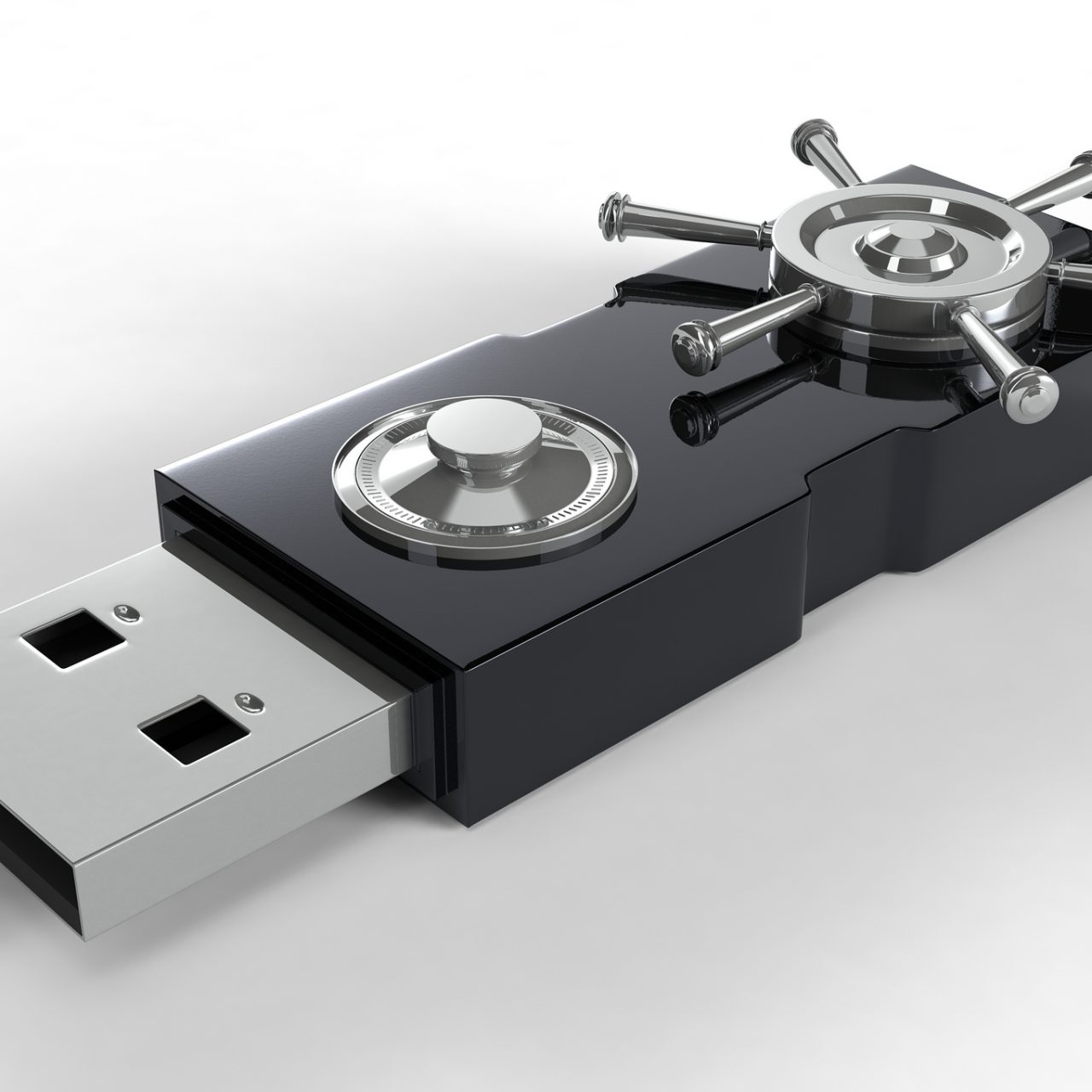
Swinging from your keychain is likely a calculator-like device that generates random numbers for bank account access.
This fob or hardware "token" is one of the many ways that UAE banks are increasingly delivering on the customer needs for world-class cybersecurity, while also making it as easy and fast as possible for customers to access their accounts.
Across the UAE, tech-savvy customers want real-time access to instantly check their account balances, and make transfers and digital payments. Delivering real-time access is easy enough, as online access and mobile apps from banks is widespread.
But making services in real-time often presents a challenge in ensuring cybersecurity. For many years, banks have relied on the standard practices of having customers enter passwords or a PIN sent by SMS.
However, these types of two-step authentication are not only time-consuming and cumbersome, but are also potentially vulnerable to cyber-attacks and hackers.
This cybersecurity risk is why across the Europe, Middle East, and Africa, banks are prioritizing automation of security among their digital transformation initiatives.
In our discussions with our banking and finance customers, they are increasingly deploying or advancing plans for the more secure multi-factor authentication.
These solutions, for example by RSA SecurID, can include mobile apps or fobs, also called hardware and software "tokens", generate random numbers, which are much more secure against hackers and cyber-attacks. Multi-factor authentication also helps banks to identify suspicious patterns, and can reduce fraud by 90 percent.
As more industry verticals undergo digital transformation, multi-factor authentication is now being used across a wider range of industry verticals, from government services and healthcare to oil and gas and education.
Condo Protego Editorial Team
Experts in security solutions and industry insights. Bringing you the latest trends and professional advice.